Start with a clear picture of your project
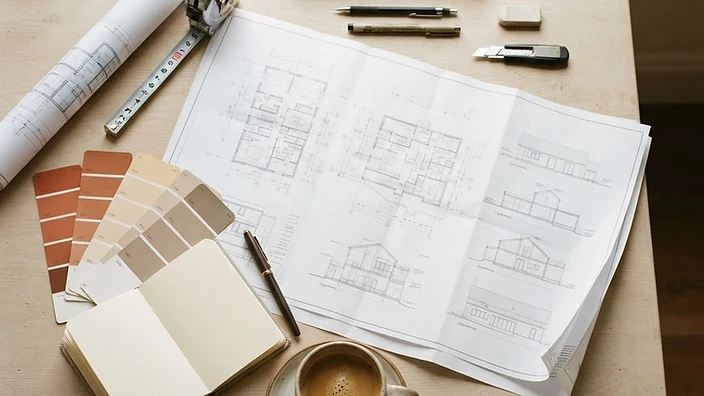
Before you contact anyone, write down what you want to change, why, and roughly what you hope to spend. A clear starting point makes every conversation easier and keeps the project from drifting.
How local home improvement companies work
Local companies range from solo tradespeople to full remodeling firms. Some handle a single trade — roofing, plumbing or electrical — while general contractors coordinate several. Knowing which type fits your project is the first step toward a good match.
- Specialty trade: one skill, often best for a single-system repair
- Remodeling company: handles kitchens, baths and multi-trade projects
- General contractor: coordinates multiple trades on larger jobs
Verify licensing and insurance
Florida requires many home improvement companies to be licensed through the Department of Business and Professional Regulation (DBPR). Ask for the license number and confirm it's active before you hire.
Also ask for proof of general liability insurance and workers' compensation. If an uninsured worker is injured on your property, the cost can fall to you.
Permits and inspections
Most structural, electrical, plumbing and roofing work requires a permit and a final inspection. Permits protect you: they confirm the work meets code and is recorded for future resale.
Be cautious of any company that suggests skipping the permit to save time. That shortcut usually costs far more later.
Getting and comparing estimates
Get at least two or three written estimates, and compare them line by line — scope, materials, labor and timeline — not just the total. The lowest bid isn't the best value if it leaves out work you'll end up paying for.
- Ask what is included — and what isn't
- Confirm the materials and brands specified
- Note how change orders are priced
- Check how long the estimate is valid
Red flags to watch for
Most problems are avoidable when you know what to look for. Walk away from:
- A demand for a large cash payment up front
- No license number, or unwillingness to provide one
- Pressure to sign immediately or today-only pricing
- No written contract, or a vague one-line quote
- Door-to-door solicitation right after a storm
Document everything
Keep your contract, estimates, change orders, receipts and photos in one place. Clear documentation resolves almost every disagreement and protects you if a warranty issue comes up later.
Budget and timeline realities
Home repair rarely goes exactly to plan, but it can go well with realistic expectations. Add a contingency of roughly 10–20% to your budget and some padding to your timeline. Reliable communication throughout the project matters as much as the final finish.

